
Cures for diseases. Solutions to climate change. New designs for fusion reactors. Scientists across the globe are working to solve problems once thought impossible. Armed with powerful HPC infrastructure, scientists can run simulations to test hypotheses, advance their knowledge, and make new discoveries.
As AI ushers in a new era of scientific discovery, HPC remains central to cutting-edge research work. What’s changed is that the same HPC environments must support AI training and inference as well as traditional data analytics and simulation workloads.
Research institutes need more compute: more powerful GPUs, greater density, and greater performance. But it must be delivered with power efficiency, operational simplicity, workload flexibility, and a clear path to scale.
Every breakthrough begins with a question, and then comes the race to answer it. Lenovo, along with its partner ecosystem, is accelerating the journey from question to answer through proven infrastructure, cooling leadership, and real-world customer success.
Informing climate policy
Take the Potsdam Institute for Climate Impact Research (PIK) in Germany, which brings together different disciplines from natural sciences and social sciences to develop actionable solutions for the world’s pressing climate problems.
Most research at PIK relies on complex computations and often requires running medium-sized analyses and numerical simulations iteratively, many times over with dynamically changing parameters. PIK’s latest-generation Lenovo supercomputer delivers 5x more computational capacity than its predecessor measured. The result is a 5-10x performance improvement depending on the workload, enabling scientists at PIK to run more jobs and get results faster. These insights help PIK to develop sustainable climate policy guidance and actionable recommendations for world leaders.

The Korea Meteorological Administration (KMA) also observes and researches climate change, using a state-of-the-art Lenovo supercomputer—the largest in the country—to run decade-scale climate modeling as well as short and long-range weather forecasts. Powered by more than 300,000 Intel® Xeon® Scalable processor cores, the cluster delivers an immense 50 PFLOPS of performance. This enables KMA to produce higher resolution climate and weather forecasts than was previously possible, improving the quality and precision of its predictions.
Understanding our place in the universe
Researchers at Chile’s National Laboratory are looking up at the sky, too. A world leader in astronomy and astrophysics, scientists are using machine learning to analyze data from telescopes in the Atacama Desert—home to some of the clearest skies on the planet—and classify millions of astronomical events every night, with the aim of identifying the few that matter. You could say detecting a supernova in a distant galaxy is like finding a needle in a very, very large haystack.
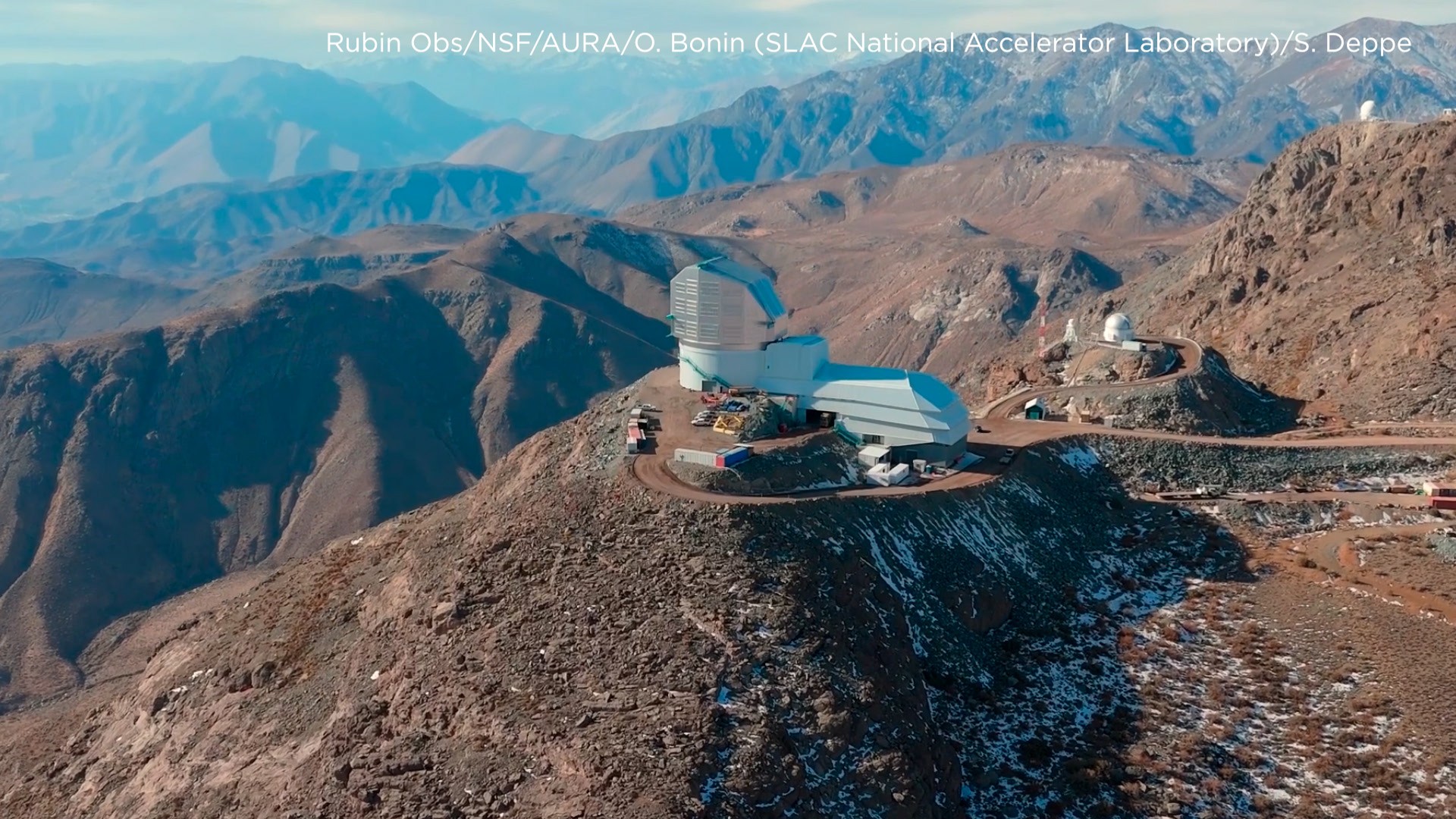
The lab recently doubled research performance per watt with an energy-efficient new Lenovo supercomputer. The cluster’s 7,000+ AMD EPYC™ Server CPU cores work together to process vast amounts of data at unprecedented speed, enabling researchers from the University of Chile to detect astronomical events almost instantly.
Unlocking nuclear fusion
Back down on Earth, meanwhile, stands CRESCO8: a brand-new, liquid-cooled Lenovo HPC cluster operated by ENEA, Italy’s national research body driving innovation in energy, the environment, and sustainable economic development.
By boosting the compute capacity of its CRESCO HPC platform from 2 PFLOPS to 9 PFLOPS—a 350% increase—researchers can run larger simulations, analyze more complex datasets, and complete scientific experiments faster, accelerating research across disciplines. Fusion simulations workloads, for example, run 5x faster than before, helping the ENEA Fusion Energy Development (FUSEN) division refine its reactor designs.
Developing more effective therapies
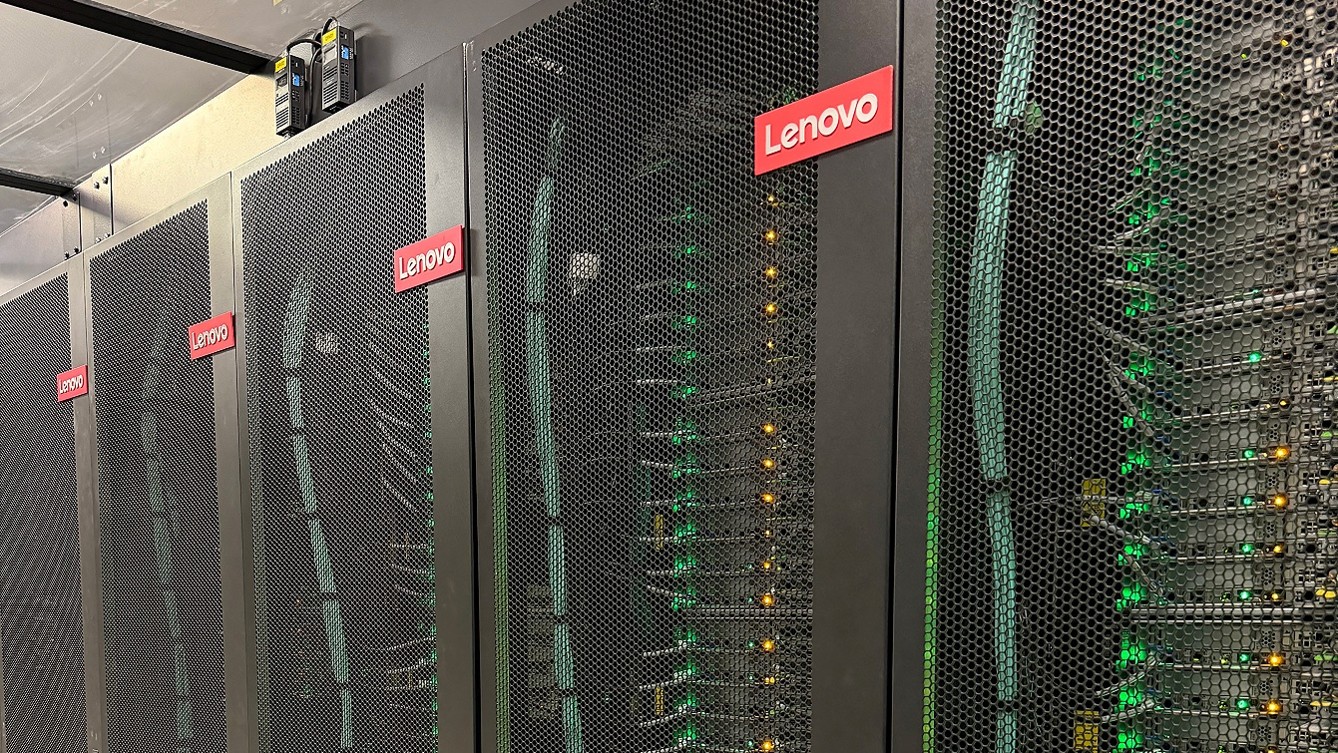
With accelerated computing driving a need for both greater rack density and higher thermal load, liquid cooling is becoming an essential design requirement for high-performance HPC and AI environments. Lenovo leads the way with 100kW+ rack support and up to 40% lower power consumption cited for 6th Gen Lenovo Neptune® Liquid Cooling.
By removing up to 98% of heat directly, Lenovo Neptune® Liquid Cooling enables Zuse Institute Berlin (ZIB)—an interdisciplinary research institute for applied mathematics and data-intensive high-performance computing—to support next-generation AI workloads cost-efficiently.
Research conducted by scientists at ZIB includes training neural network forcefields to enable realistic coarse-grained simulations of large biomolecules to better understand dynamic behavior and interactions of proteins. This research aims at gaining new insights into slow biological processes, with a view to eventually developing more effective health treatments, without the need for running traditionally expensive molecular-dynamics simulations.
Leading science and technology company Merck KGaA, Darmstadt, Germany is also harnessing AI to accelerate research. By using AI to analyze vast datasets, researchers can identify potential drug candidates more quickly and accurately. Eager to combine the strengths of both private and public cloud environments, Merck KGaA, Darmstadt, Germany deployed a liquid-cooled cluster at an Equinix co-location site. In healthcare, the company is leveraging the Lenovo HPC environment to transform drug discovery processes, helping it to identify new drug candidates more effectively and ultimately to bring new treatments to patients more quickly.
Integrating AI into research
Across the Atlantic Ocean, researchers at the University of Florida (UF) are using HPC and AI to push the boundaries of human knowledge. The latest-generation Lenovo supercomputing cluster, HiPerGator 4th Gen, delivers 17.49 PFLOPS of compute performance, and is ranked the fastest university-owned supercomputer in the U.S. by the IO500 benchmark.
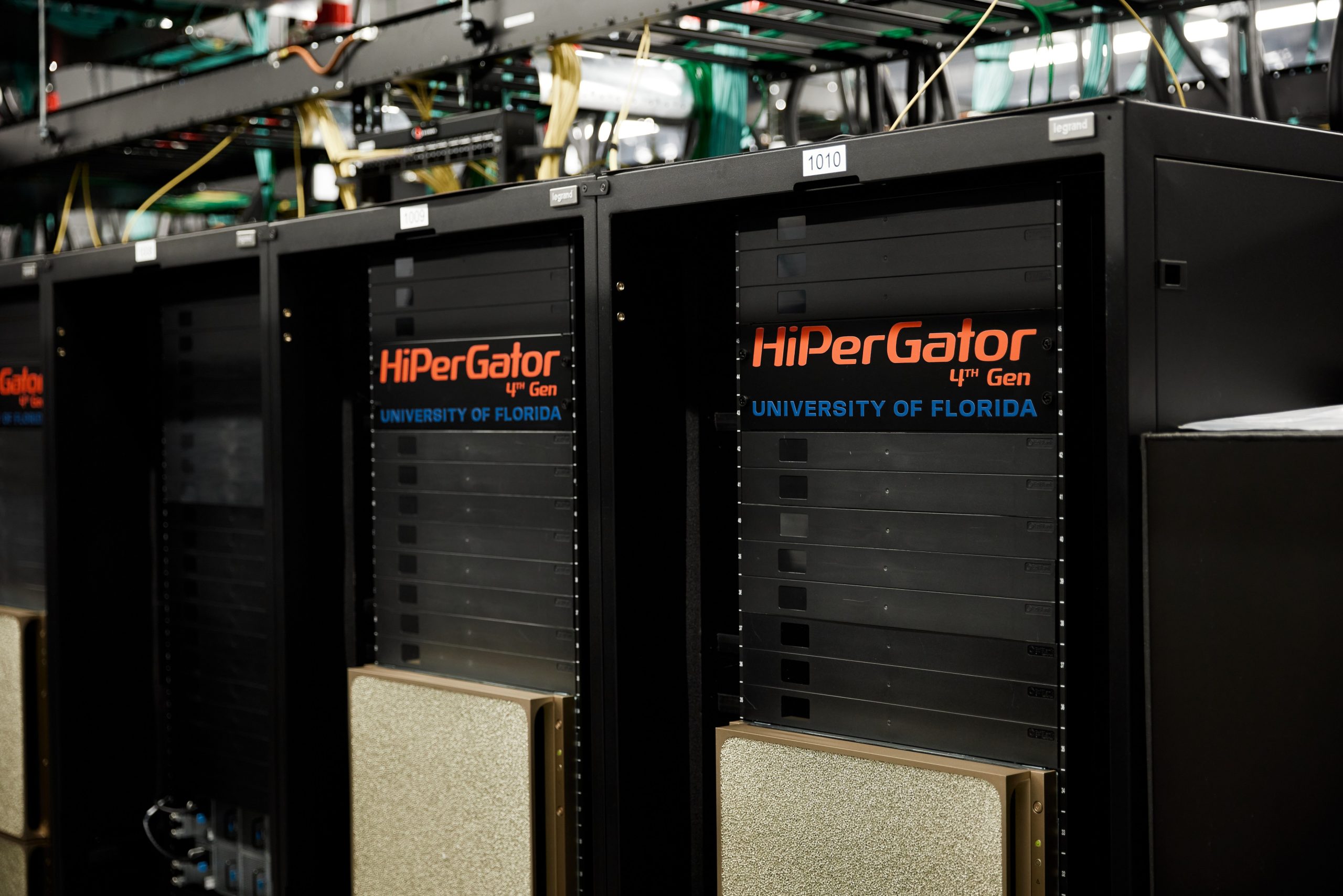
UF Information Technology processed 33 million research requests in the past year and supports 500+ active HiPerGator projects, encompassing everything from computational fluid dynamics to gene sequencing to crop disease detection to digital twins. With 3x faster AI training performance and 15x faster AI inferencing performance, researchers can run larger, more complex workloads than ever before—and get results faster.
Demand for HPC resources, particularly GPU technology, is growing fast as more researchers look to harness AI. The Mass Open Cloud Alliance—a nonprofit initiative of universities, government, and enterprises—was launched with the vision of creating a cloud computing infrastructure that supports a broad research community.
The MOC Alliance joined forces with Lenovo to build a dedicated GPU cloud. The liquid-cooled cluster packs dozens of NVIDIA GPUs into a dense server footprint, delivering extremely high performance while keeping power consumption low. The MOC Alliance’s pay-as-you-go model allows researchers to access the GPU resources they need to support their work and break new ground, at a fraction of the cost of procuring their own hardware.
Making MRIs faster and more affordable
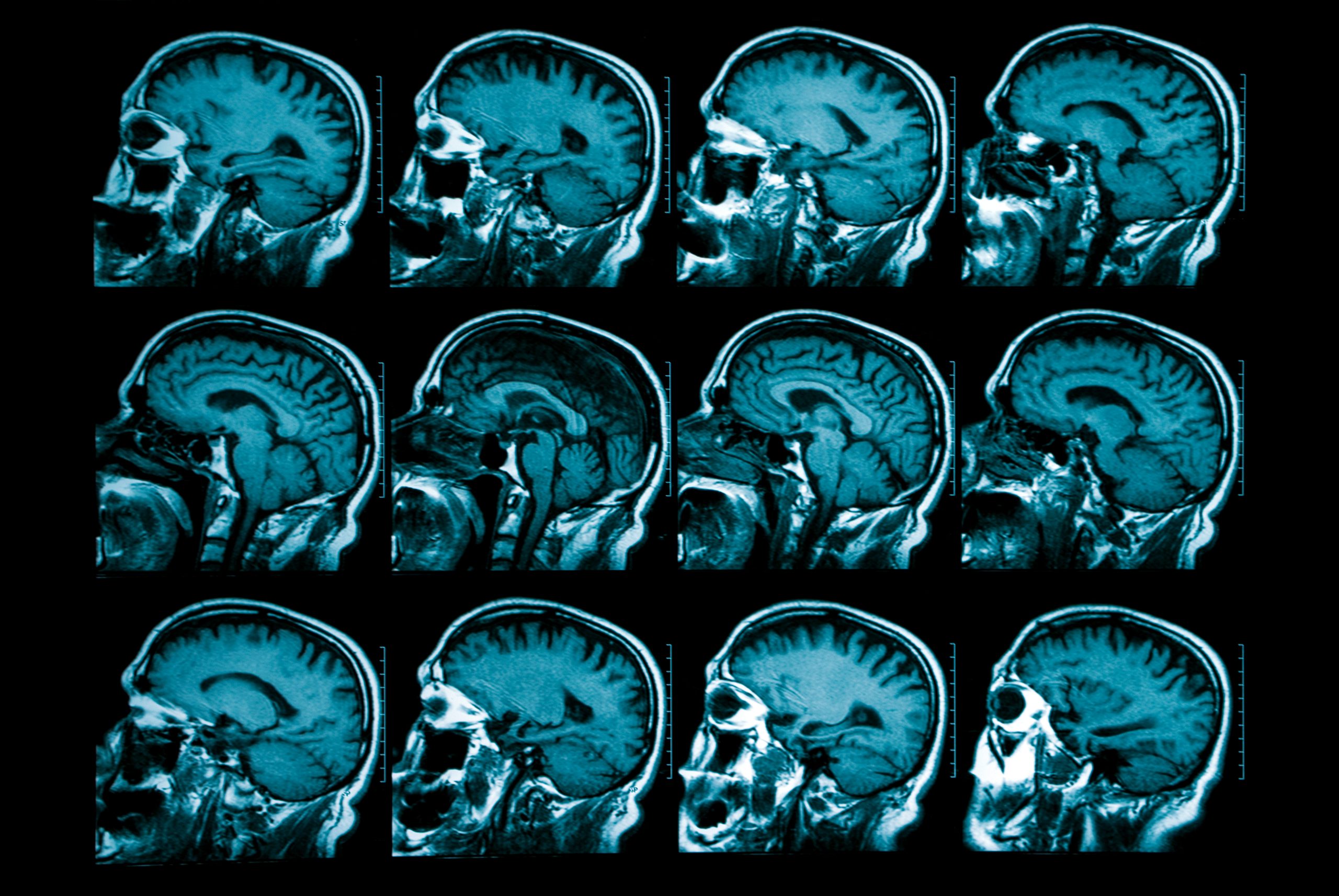
The same goes for researchers on the other side of the world at the University of Queensland. With a new Lenovo supercomputer, AI model training for one research group went from taking four days to just 5.5 hours—17.5x faster. This group’s work aims to find ways to speed up MRI scanning and make the scans themselves more affordable. Being able to run training workloads faster will help the group to hone better models that get more information out of MRI scans, supporting doctors with diagnoses.
Powering worlds never seen before
And from scientific discovery to worlds we’ve never seen before. As DreamWorks Animation’s preferred compute services, solutions, and workstation provider, Lenovo supports the studio’s artists and technologists with ThinkStation workstations and ThinkSystem infrastructure powered by Neptune® Liquid Cooling. Through Lenovo TruScale, DreamWorks can align capacity to evolving creative and production needs, helping power the complex rendering and production workflows behind its films while allowing artists to stay focused on storytelling.

Doing more than previously thought possible
These are just a few of the leading organizations across the globe that Lenovo partners with. Together, we’re deploying world-class HPC and AI infrastructure that empowers scientists to explore questions they couldn’t answer before, and creatives to tell new stories.
Discovery isn’t a function of compute power alone. By equipping professionals from different disciplines with the tools they need to drive their cutting-edge work, Lenovo is accelerating the journey from question to answer.
About the author:
Martin W. Hiegl is Executive Director for Server Portfolio and Enterprise AI & HPC Solutions at Lenovo. Passionate about building what’s next, he drives the strategic direction and management of Lenovo’s server product lines and oversees global strategy and execution for Enterprise AI and HPC solutions. Martin leads teams focused on product management, solution architecture, engineering, and performance optimization – helping customers accelerate AI and HPC workloads with innovative technologies such as Lenovo Neptune® direct water-cooling. With 20 years in HPC, he helped pioneer liquid-cooling and advance sustainable supercomputing at scale. Before Lenovo, Martin held HPC and Public Sector leadership roles at IBM. He holds degrees in Business Informatics and is an inventor on a U.S. patent.


